Therapy Professionals

  • Home
    • History >
      • Cantabrainers Choir
      • Tribute to Clare O'Hagan
    • Client Information
    • Rights and Responsibilites
    • Careers
    • Testimonials
  • Services
    • Assessment, Treatment & Consultation
    • Workplace/home safety
    • For organisations
    • Nail Trimming
  • Therapies
    • Physiotherapy
    • Speech-Language Therapy >
      • Communication
      • Swallowing
    • Music Therapy
    • Occupational Therapy
    • Dietetics
  • Gift Vouchers
  • Contact
  • Information
    • Information and Handy Hints
    • Blog
    • Links
    • Facebook
    • Events
    • Newsletters
  • Home
    • History >
      • Cantabrainers Choir
      • Tribute to Clare O'Hagan
    • Client Information
    • Rights and Responsibilites
    • Careers
    • Testimonials
  • Services
    • Assessment, Treatment & Consultation
    • Workplace/home safety
    • For organisations
    • Nail Trimming
  • Therapies
    • Physiotherapy
    • Speech-Language Therapy >
      • Communication
      • Swallowing
    • Music Therapy
    • Occupational Therapy
    • Dietetics
  • Gift Vouchers
  • Contact
  • Information
    • Information and Handy Hints
    • Blog
    • Links
    • Facebook
    • Events
    • Newsletters

Information and Handy Hints

February 22nd, 2024

22/2/2024

 
Managing Long COVID in Aotearoa
 
New Zealand physiotherapists have been working closely with their counterparts overseas to find out more about Long COVID and how best to support those suffering long-term effects.
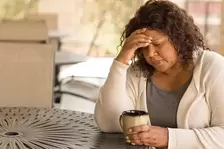
Research shows that as many as one in eight COVID-19 patients could get Long COVID, which means there are likely hundreds of New Zealanders still experiencing symptoms 12 weeks after testing positive.
 
Physiotherapy New Zealand (PNZ) spokesperson Dr Sarah Rhodes says it is understandable that patients with Long COVID are increasingly frustrated that their recovery is so slow as the symptoms can persist for months and years in some cases. PNZ calls on the government to support people’s access to effective treatment for Long COVID, just as they have supported people through the pandemic.
 
“We know that COVID-19 affects people differently and it is the same with Long COVID.  It doesn’t only affect those who are hospitalised with an acute COVID infection.  It can also affect those whose initial symptoms are mild and even those who are asymptomatic with the acute COVID-19 infection.”
 
“The desire to get back to normal life after COVID-19 is understandably important for all of us.  With today’s busy lifestyles, it’s often hard to be that person who needs to rest instead of going back to work, getting back into your leisure activities, and looking after children and/or older family/whanau members. However, rest is an essential part of managing an acute COVID-19 infection as it is likely to reduce the risk of developing Long COVID,” says Dr Rhodes.
 
Members of PNZ’s Cardio-Respiratory Special Interest Group have developed some general tips to help guide people through a prolonged period of symptoms.
 
Fatigue
 
This is the most common symptom of Long COVID.  Undertaking daily activities which were easily managed prior to COVID-19, such as showering, can be exhausting.

​ 
  • Be kind to yourself.  Don’t take on too much. Ask for help.
  • Working out which tasks require more or less energy can help you prioritise your time and activities so that you stay within your available energy levels.  Keeping a diary of how you feel after each activity can be useful in identifying which activities make you more or less fatigued.
  • Pace yourself by doing small tasks or breaking up activities and allowing yourself to take rests in between.  Choose some activities that give you pleasure to help support your mental well-being.
  • Plan out your week to allow for periods of activity and periods of rest and recovery.
  • Take regular breaks throughout the day and if you need a rest, listen to your body.  Don’t push through the feeling of exhaustion.
  • When fatigue is worsened by physical or mental effort, this may indicate you have post exertional symptom for exacerbation (PESE). Exercise is not recomended for rehabilitation of people experiencing PESE as it can worsen symptoms.  A physiotherapist can help support you in managing your fatigue.
  • Remember that some activities, like being with friends, may contribute to symptom exacerbation.  Connecting with others is important for your mental well-being so you may need to reduce the time you spend with others to conserve your energy for other activities in the day.
  • Adapt activities to make them easier. E.g. sittingdown to prepare vegetables for dinner.
  • Getting outside and spending time in nature can have benefits for both your mental and physical health.
 
Breathlessness
 
Breathlessness is another commonly experienced symptom in those with Long COVID.
  • Feeling breathlessness can be a frightening experience.
  • Seek support from a physiotherapist about positions and breathing techniques that can help alleviate feelings of breathlessness.
  • It is important to get an individual assessment of your breathing as a one-size-fits-all approach doesn’t work.
  • A physiotherapist can also screen for disruptions in your pattern of breathing that may contribute to some of the symptoms you are experiencing.
 
Muscle and joint pain
 
  • Some patients with Long COVID experience muscle aches and joint pain.  Gentle stretching and yoga may help relieve these symptoms.
  • Check with your health professional before starting any exercises.
​Return to exercise

  • Exercise is not recommended if it worsens your fatigue.
  • If you are not experiencing worsening symptoms, a cautious approach to commencing exercise is recommended.  Your response to exercise should be monitored carefully.  A safe return to exercise requires careful clinical decision making and a physiotherapist can support you through this.
 
Physiotherapy can help manage symptoms of Long COVID.  However, for some patients a multi-disciplinary approach, involving other health professionals, is recommended.
 
Aged Care New Zealand Issue 02 2022

Comments are closed.

    Author

    Shonagh O'Hagan
    and Therapists at Therapy Professionals

    Archives

    November 2025
    October 2025
    September 2025
    August 2025
    July 2025
    June 2025
    May 2025
    April 2025
    March 2025
    February 2025
    January 2025
    December 2024
    November 2024
    October 2024
    September 2024
    August 2024
    July 2024
    June 2024
    May 2024
    April 2024
    March 2024
    February 2024
    January 2024
    December 2023
    November 2023
    October 2023
    September 2023
    August 2023
    July 2023
    June 2023
    May 2023
    April 2023
    March 2023
    February 2023
    January 2023
    December 2022
    November 2022
    October 2022
    September 2022
    August 2022
    July 2022
    June 2022
    May 2022
    April 2022
    March 2022
    February 2022
    January 2022
    December 2021
    November 2021
    October 2021
    September 2021
    August 2021
    July 2021
    June 2021
    May 2021
    April 2021
    March 2021
    February 2021
    January 2021
    December 2020
    November 2020
    October 2020
    September 2020
    August 2020
    July 2020
    June 2020
    May 2020
    April 2020
    March 2020
    February 2020

    All

    RSS Feed

Quick Links
Physiotherapy
Speech-Language Therapy
Music Therapy
Occupational Therapy
Dietetics
Phone: (03) 377 5280
Email:   [email protected]
Hours:  8:30am-4pm, Monday-Friday
Office: 12 Coronation St, Christchurch 
Postal address: PO Box 7807,
​                             Christchurch 8240
Disclaimer
Therapy Professionals makes every effort to ensure that the information provided on its web pages is accurate and up-to-date. Website content is subject to regular review and no warranty can be provided regarding the accuracy of it. © Therapy Professionals Ltd 2015. All rights reserved.